Kaiser Permanente
Building a digital behavioral health ecosystem.
Research · Strategy · Kaiser Permanente
Kaiser Permanente's innovation team explored how digital tools could expand access to behavioral health support across one of the largest integrated healthcare systems in the country.
Challenge
Demand for behavioral health services was outpacing what providers could handle. Wait times were long and access was limited. Consumer mental health apps existed, but clinicians were reluctant to recommend them. Quality, safety, and clinical relevance were real concerns. Most tools on the market hadn't been built with clinical populations in mind.
The question was whether any of them could be responsibly brought into care delivery without compromising clinical standards.

Approach
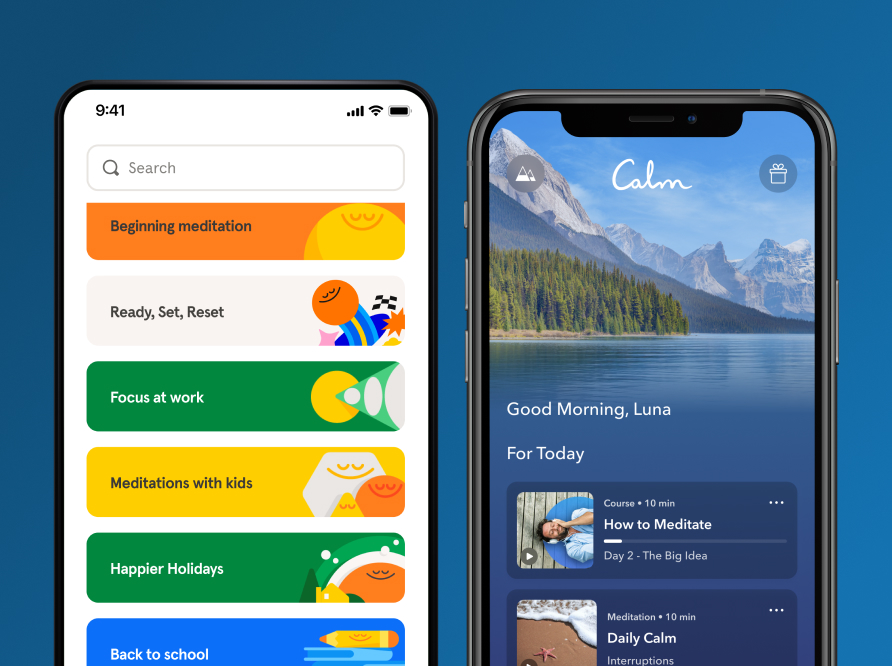
The work combined patient research with a hands-on review of third-party mental health apps. Interviews surfaced how patients look for mental health support, where they hit friction, and where a digital tool could credibly fill gaps without replacing in-person care.
Apps were evaluated against clinical quality, safety, and appropriateness criteria. The goal was a shortlist clinicians could actually stand behind, paired with clear guidance on who each tool was and wasn't right for.
That research fed into a model for how digital tools could sit inside existing care workflows, keeping patients connected to their providers even when working through something on their own.
Outcome
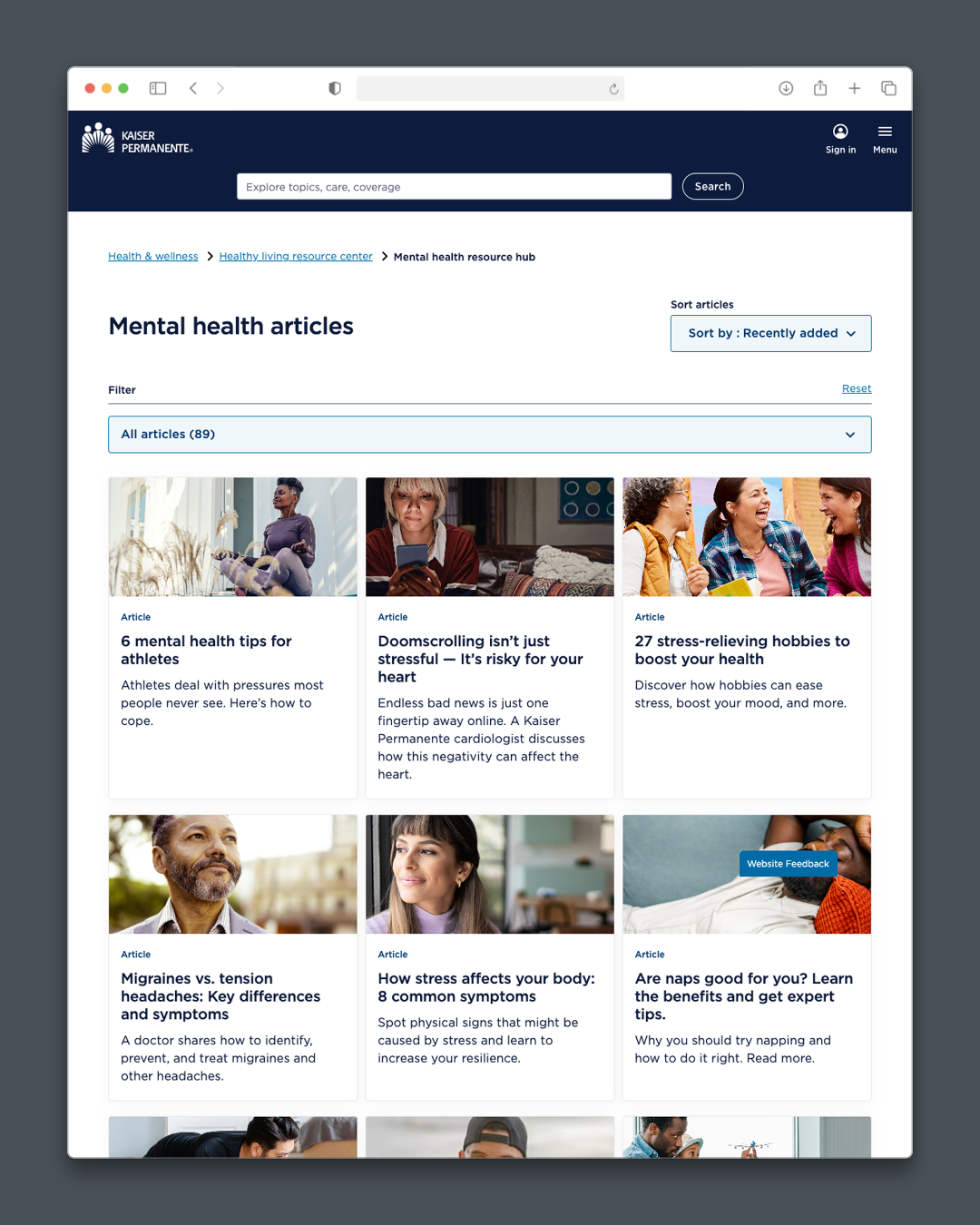
The work shaped how Kaiser built out its digital behavioral health offering: a curated set of tools patients could use between sessions, with guidance for how clinicians would recommend and monitor their use.
For lower-acuity patients, it opened a channel that hadn't existed before. For providers, it reduced pressure without removing them from the picture. The evaluation criteria developed during the project gave Kaiser a basis for assessing new tools as the market developed.